While North American audiences have had many opportunities over the years to see breaking news stories about plane crashes that feature the running commentary of news anchors and aviation experts, Japanese audiences don't often have that experience. The crash last March of a FedEx MD-11 at Tokyo's Narita Airport provided that opportunity for Japan, as the video below shows.
Even if you don't understand Japanese, you can get a sense of the tone of the conversation and the emotions that some of those on camera may have been feeling.
No one at AirSafe.com can understand Japanese, so if any of you reading this can understand Japanese, feel free to leave a comment about the discussion in the video.
Resources
Original AirSafeNews.com article on this event
Other FedEx plane crashes
Other MD-11 plane crashes
16 January 2010


15 December 2009
Crash of Colgan Air Flight 3407 on 12 February 2009
The fatal 12 February crash of Colgan Air Flight 3407 is still under investigation by the NTSB, but last week, the airline submitted a report to the NTSB which blamed pilot actions as the probable cause of the accident. The Bombardier Dash 8 aircraft, which was operating as a scheduled Continental Connection flight from Newark, NJ to Buffalo, NY, crashed into a house about five miles from the airport during an instrument approach to runway 23. All four crew members and 45 passengers were killed, as well as one of the three people in the house.
The NTSB launched a major investigation, which is still ongoing. The NTSB's public docket of this investigation contains over 100 items, including a report submitted by Colgan earlier this month. That report identifies the probable cause of the accident as the flight crew’s loss of situational awareness and failure to follow Colgan Air training and procedures, which led to a loss of control of the aircraft.
According to Colgan, contributing to the accident was the flight crew’s failure to follow Colgan Air procedures and training, and the lack of adequate warning systems in the aircraft.
The investigation is not yet completed, and the final NTSB report may or may not reflect the analysis or conclusions of the Colgan report. AirSafeNews.com encourages you to review the Colgan report, and other items in the public docket, as well as following information from the NTSB and AirSafe.com.
Below are two videos. The first is an NTSB recreation of the final few minutes of flight, based on data from both the cockpit voice recorder and flight data recorder. The second is the initial report of this event created by AirSafe.com.
AirSafe.com's Initial Report on this Accident
Audio: MP3 | Video: iPod/MP4 | WMV | Google Video | YouTube
Resources
Additional accident details
Colgan Air Submission to the NTSB
Other NTSB public docket documents
Other AirSafe.com Videos
Fatal Continental plane crashes
Fatal Dash 8 plane crashes
The NTSB launched a major investigation, which is still ongoing. The NTSB's public docket of this investigation contains over 100 items, including a report submitted by Colgan earlier this month. That report identifies the probable cause of the accident as the flight crew’s loss of situational awareness and failure to follow Colgan Air training and procedures, which led to a loss of control of the aircraft.
According to Colgan, contributing to the accident was the flight crew’s failure to follow Colgan Air procedures and training, and the lack of adequate warning systems in the aircraft.
The investigation is not yet completed, and the final NTSB report may or may not reflect the analysis or conclusions of the Colgan report. AirSafeNews.com encourages you to review the Colgan report, and other items in the public docket, as well as following information from the NTSB and AirSafe.com.
Below are two videos. The first is an NTSB recreation of the final few minutes of flight, based on data from both the cockpit voice recorder and flight data recorder. The second is the initial report of this event created by AirSafe.com.
Colgan Air Crash Animation (no audio)
AirSafe.com's Initial Report on this Accident
Audio: MP3 | Video: iPod/MP4 | WMV | Google Video | YouTube
Resources
Additional accident details
Colgan Air Submission to the NTSB
Other NTSB public docket documents
Other AirSafe.com Videos
Fatal Continental plane crashes
Fatal Dash 8 plane crashes
09 November 2009
Piper Aztec Overruns Runway at Saint Barthélemy Island
On May 23, 2009 a Piper Aztec overran the runway at the airport on Saint Barthélemy island in the Caribbean There were no reported injuries.
08 November 2009
Floatplane Crashes at Takeoff - Photographer Ducks Just in Time
The floatplane (a de Havilland DHC-2 Beaver, registration N915RC) was in an otherwise normal takeoff from Lake Hood in Anchorage, Alaska on 7 June 2009 when it encountered a right quartering tailwind gust that lifted up the right wing and float. The airplane veered to the left toward a steep bank, and the pilot was unable to correct the deviation and with the rudder. The airplane lifted off, but the float collided with the top of the bank. The airplane cart wheeled about 160 degrees to the left before coming to rest on its right side. It sustained substantial damage to the wings, fuselage, and floats. The pilot reported that there were no mechanical malfunctions or failures. Reported wind at the airport approximately 3 minutes after the accident was from 020 degrees magnetic at 3 knots, with no recorded gusts.
Fortunately, the pilot and three passengers were not injured. Also fortunate was the fact that the photographer lived to film another day. According to the photographer's description on YouTube, the aircraft passed less than 10 feed from their position.
The NTSB determined that the probable cause of the accident was the pilot's failure to maintain directional control during takeoff.
Crash During Floatplane Takeoff in Anchorage, AK 7 June 2009
Additional Information
NTSB Factual Summary (PDF)
NTSB Full Narritave
NTSB Probable Cause Determination (PDF)
Fortunately, the pilot and three passengers were not injured. Also fortunate was the fact that the photographer lived to film another day. According to the photographer's description on YouTube, the aircraft passed less than 10 feed from their position.
The NTSB determined that the probable cause of the accident was the pilot's failure to maintain directional control during takeoff.
Crash During Floatplane Takeoff in Anchorage, AK 7 June 2009
Additional Information
NTSB Factual Summary (PDF)
NTSB Full Narritave
NTSB Probable Cause Determination (PDF)
23 October 2009
Near Crash of a Enstrom Helicopter on a Ship's Helipad
According to the information in the YouTube posting, this incident is from an Enstrom helicopter on the helipad of a Greenpeace ship some where off the coast of Ireland. One of the deck straps has not been released correctly, with very nearly disastrous consequences. what was
22 October 2009
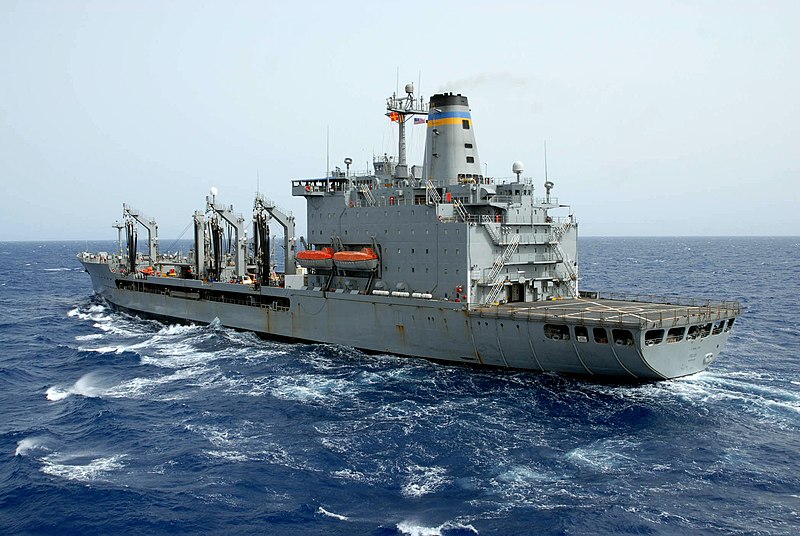
Fatal Crash of a Marine Sea Knight Helicopter on 9 December 1999 Near San Diego
One December 9, 1999, a US Marine CH-46 Sea Knight crashed during a training exercise involving the USNS Pecos. The helicopter had departed from the USS Bonhomme Richard with a crew of 18 for a training exercise at the USNS Pecos.
The helicopter approached the Pecos low and fast, and the left rear wheel of the helicopter had struck and became entangled in the safety netting at the rear of the Pecos. As the pilots attempted to lift off, the helicopter's landing gear remained entangled, causing it to roll to the left and crash into the water.
Eleven of the 18 escaped the helicopter and survived. Seven others were killed in the mishap.
The Marine Corps investigation into the cause of the crash concluded the mishap was caused by human error, stating that the helicopter was flying too low and too fast when it approached the landing pad on the Pecos.
Additional Resources
Accident Description from Check-Six.com
The helicopter approached the Pecos low and fast, and the left rear wheel of the helicopter had struck and became entangled in the safety netting at the rear of the Pecos. As the pilots attempted to lift off, the helicopter's landing gear remained entangled, causing it to roll to the left and crash into the water.
Eleven of the 18 escaped the helicopter and survived. Seven others were killed in the mishap.
The Marine Corps investigation into the cause of the crash concluded the mishap was caused by human error, stating that the helicopter was flying too low and too fast when it approached the landing pad on the Pecos.
CH-46D Accident on USNS Pecos
USNS Pecos
USMC CH-46 Sea Knight

USS_Bonhomme Richard

Additional Resources
Accident Description from Check-Six.com
20 October 2009
Close Call When an R44 Helicopter Hits a Hanger and Crashed on 5 August 2004
In this 5 August 2004 accident (NTSB Report CHI04LA212) in Chesterfield, MO, a Robinson R44 helicopter (N7036J), with a pilot and three passengers on board, was substantially damaged when the main rotor contacted an open hangar door during takeoff and the helicopter subsequently impacted the ground. The pilot stated that the helicopter was parked on the ramp approximately 35 feet from the hangar. The hangar door was open and extended about 10 feet out over the ramp. A review of a video of the accident taken by a witness on the ground revealed that after the helicopter lifted off, it paused in a hover for a few seconds and then began to climb out, subsequently contacting the door.
The helicopter's main rotor clipped the bottom edge of the door, and then descended to the ramp. The subsequent hard landing caused the skids to collapse and the main rotor to sever the tail boom. A ground witness to the accident submitted a video recording of the accident flight. No drift toward the hangar building was observed prior to rotor blade contact with the door.
Probable Cause
The NTSB concluded that the crash was due to the pilot's inadequate preflight planning, his selection of an unsuitable takeoff area, and his failure to maintain clearance from the open hangar door. They also concluded that the open hangar door was a contributing factor.
Additional Information
Although the NTSB states that the helicopter was substantially damaged, FAA registry records show that the aircraft was destroyed and that the registration number (N7036J) was canceled about three months after the crash.
Related Information
NTSB Factual Report (PDF)
NTSB Probable Cause Findings (PDF)
NTSB Full Narrative
The helicopter's main rotor clipped the bottom edge of the door, and then descended to the ramp. The subsequent hard landing caused the skids to collapse and the main rotor to sever the tail boom. A ground witness to the accident submitted a video recording of the accident flight. No drift toward the hangar building was observed prior to rotor blade contact with the door.
Witness Video of Accident Flight
Source: NTSB
Source: NTSB
Probable Cause
The NTSB concluded that the crash was due to the pilot's inadequate preflight planning, his selection of an unsuitable takeoff area, and his failure to maintain clearance from the open hangar door. They also concluded that the open hangar door was a contributing factor.
Additional Information
Although the NTSB states that the helicopter was substantially damaged, FAA registry records show that the aircraft was destroyed and that the registration number (N7036J) was canceled about three months after the crash.
Related Information
NTSB Factual Report (PDF)
NTSB Probable Cause Findings (PDF)
NTSB Full Narrative
Subscribe to:
Posts (Atom)